
Effective Solutions for African American Hair Loss: Tips and Support Strategies

Hair loss affects many people, but African Americans face unique challenges due to hair texture, styling practices, and scalp conditions. Understanding these factors is key to managing hair loss effectively and promoting healthy hair growth. This post explores common causes of hair loss in African American communities and offers practical tips and support strategies to help address this issue.
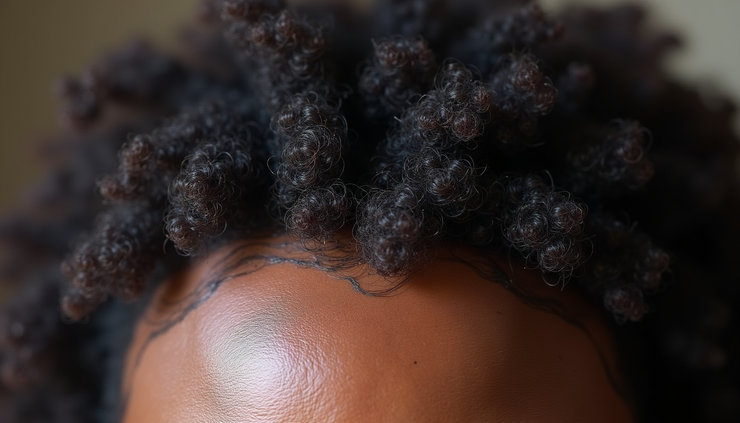
Common Causes of Hair Loss in African Americans
Hair loss in African Americans often results from a combination of genetic, environmental, and styling factors. Some of the most frequent causes include:
Traction Alopecia
This condition occurs when hair is pulled tightly for extended periods. Common hairstyles like braids, weaves, and ponytails can cause tension on the hair follicles, leading to gradual hair loss, especially around the hairline.
Central Centrifugal Cicatricial Alopecia (CCCA)
CCCA is a scarring form of hair loss that typically starts at the crown and spreads outward. It is more common in African American women and can cause permanent hair loss if untreated.
Chemical Damage
Relaxers, texturizers, and other chemical treatments can weaken hair strands and damage the scalp, contributing to breakage and hair loss.
Nutritional Deficiencies and Health Conditions
Deficiencies in vitamins such as iron, vitamin D, and biotin, as well as conditions like thyroid disorders, can affect hair growth.
Stress and Hormonal Changes
Stress and hormonal fluctuations, including those related to pregnancy or menopause, can trigger temporary hair shedding.
Understanding these causes helps in choosing the right approach to treatment and prevention.
Practical Tips to Prevent and Manage Hair Loss
Taking proactive steps can reduce hair loss and improve hair health. Here are some effective strategies:
Gentle Hair Care Practices
Avoid hairstyles that pull tightly on the scalp. Opt for loose braids, twists, or natural styles that reduce tension.
Limit the use of heat styling tools such as flat irons and blow dryers, which can weaken hair strands.
Use sulfate-free shampoos and moisturizing conditioners to maintain scalp hydration.
Detangle hair gently with wide-tooth combs or fingers to prevent breakage.
Scalp Health Maintenance
Regularly massage the scalp to improve blood circulation, which supports hair follicle health.
Keep the scalp clean to prevent buildup of oils and products that can clog follicles.
Use natural oils like castor oil or jojoba oil to nourish the scalp and hair.
Nutritional Support
Incorporate foods rich in iron, zinc, vitamins A, C, D, and E, and omega-3 fatty acids into your diet.
Consider supplements after consulting with a healthcare provider, especially if you suspect deficiencies.
Professional Treatments and Medical Advice
Consult a dermatologist or trichologist for persistent or severe hair loss.
Treatments like corticosteroid injections, topical minoxidil, or platelet-rich plasma therapy may be recommended based on diagnosis.
Avoid self-medicating with unverified products, as some can worsen hair loss.
Styling Tips That Support Hair Health
Choosing hairstyles that protect hair and reduce damage is essential:
Embrace protective styles such as box braids, twists, and bantu knots that do not strain the scalp.
Rotate hairstyles regularly to avoid constant stress on the same areas.
Avoid excessive use of hair extensions or weaves that add weight and tension.
Use satin or silk scarves and pillowcases to reduce friction and moisture loss during sleep.
Emotional and Community Support
Hair loss can affect self-esteem and emotional well-being. Finding support is important:
Join support groups or online communities focused on hair loss in African Americans.
Share experiences and tips with friends or family who understand the unique challenges.
Consider counseling if hair loss impacts mental health.
Emerging Research and Innovations
Recent studies focus on understanding hair loss patterns specific to African Americans and developing targeted treatments. Some promising areas include:
Natural plant-based products that promote hair growth without harsh chemicals.
Advances in hair follicle cloning and regenerative therapies.
Improved diagnostic tools for early detection of scarring alopecia.
Staying informed about new options can help individuals make better decisions about their hair care.



Comments